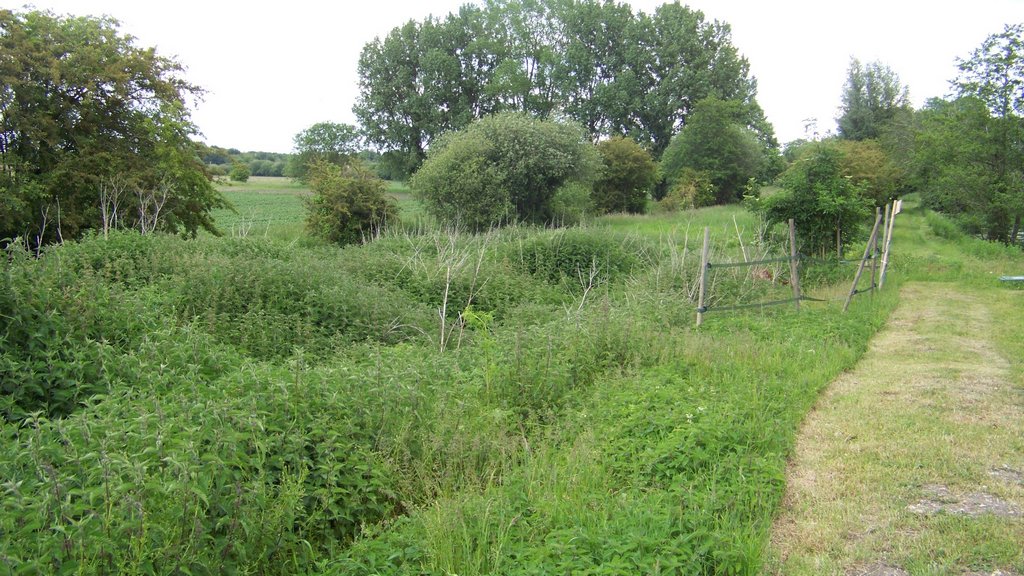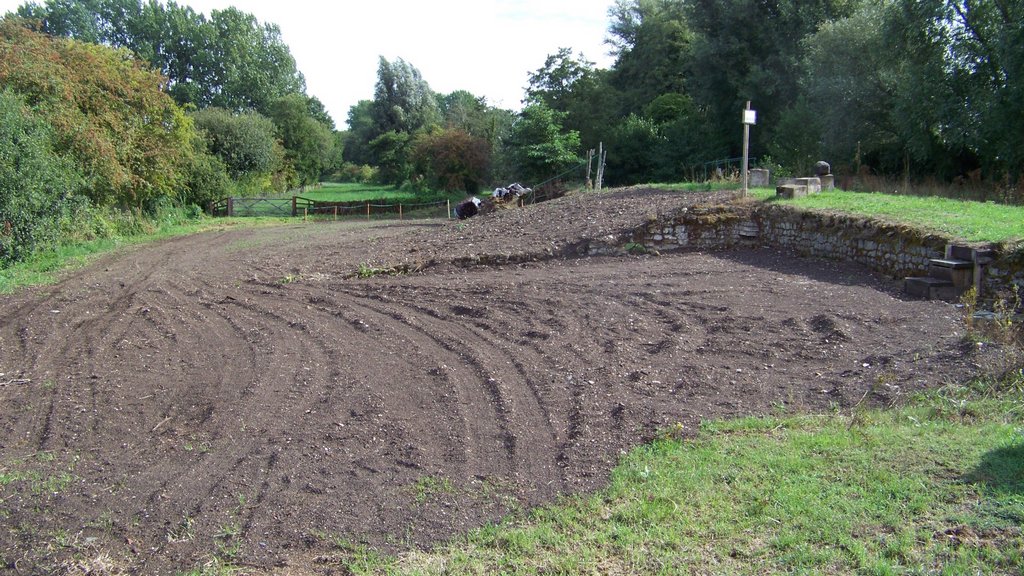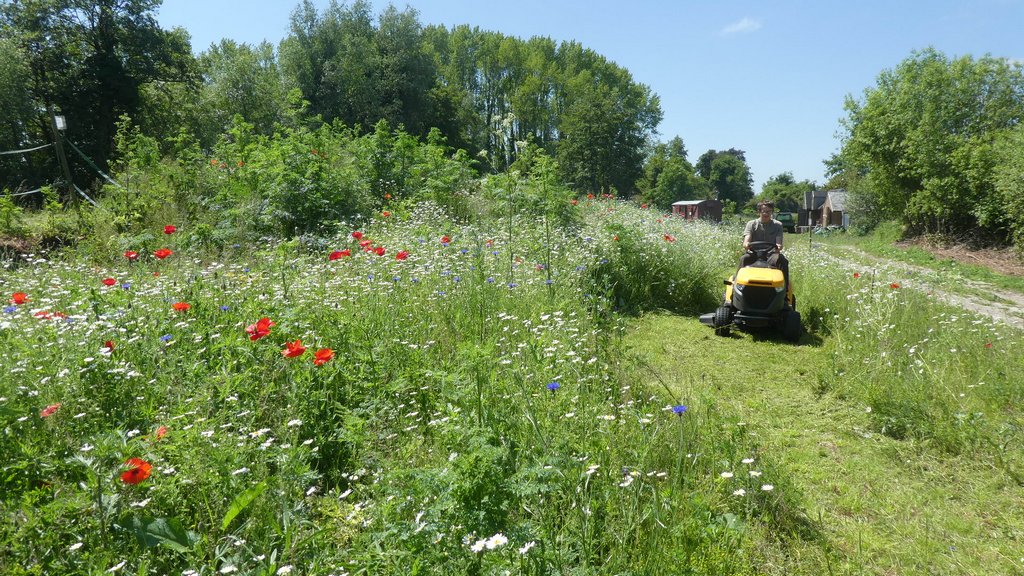

Wildflowers performed badly in 2025 and 2026 despite following all advice where possible, so from 2027 we will split the wildflower area. Most of it will be a grass meadow where many of the insect hotels are, the sloping bank will be mown as a lawn with just a small, manageable patch of wildflowers.
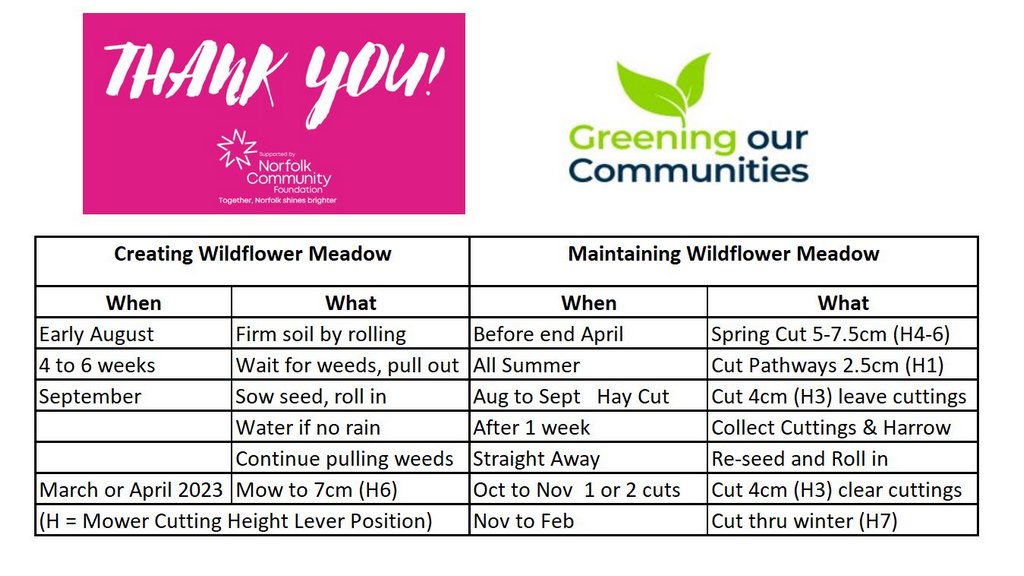
Originally we thought the problem was two very hot dry summers, but the main reason wildflowers fail after a few years is grasses taking over and out-competing the flowers, this is why our maintenance plan and advice was adhered to.
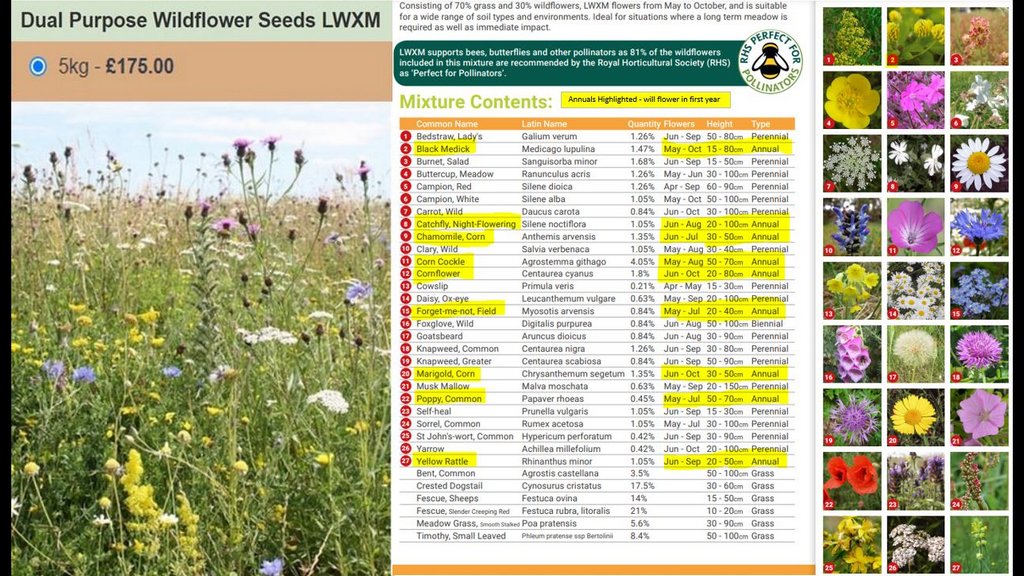
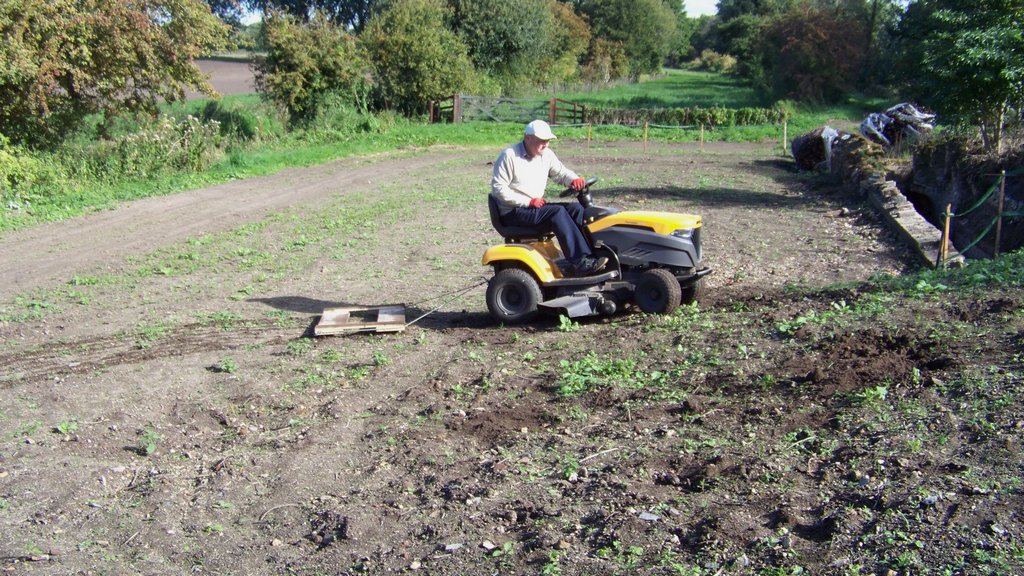
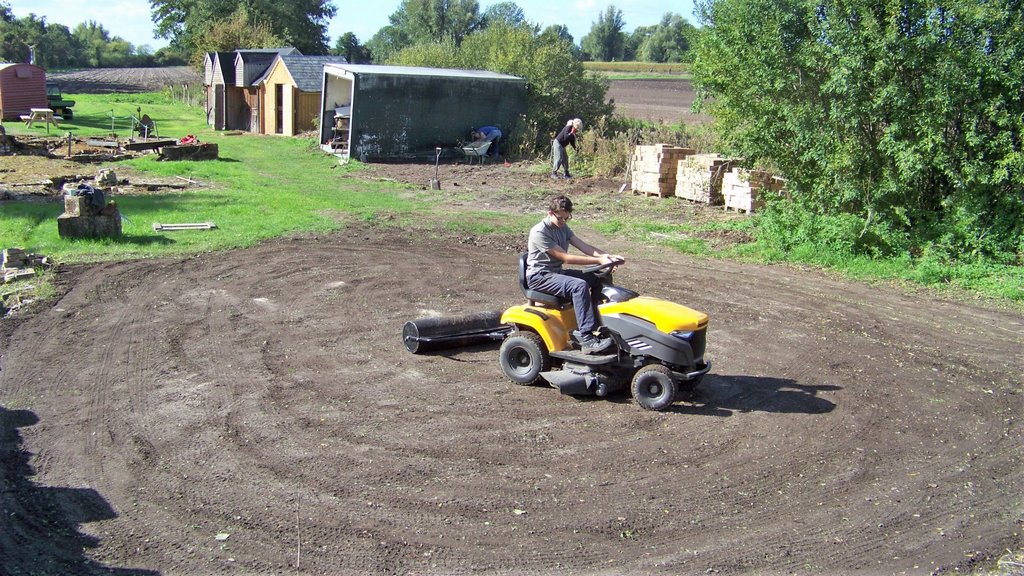
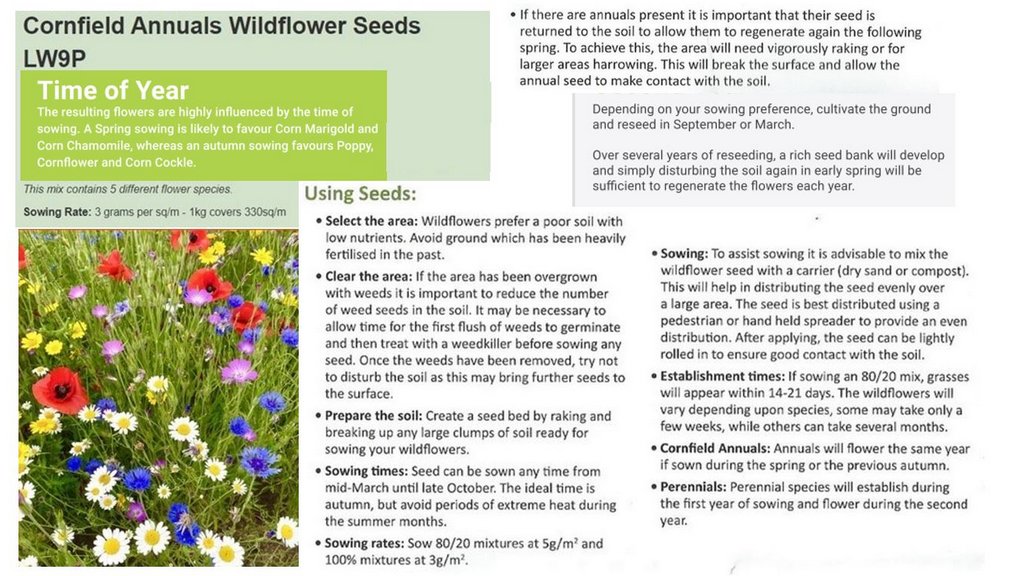
Maintenance and advice included having yellow rattle in the seed mix which controls grass growth, watering the meadow in 2026, creating a new area with seeds sown into bare soil, cutting the meadow as advised, leaving flower seeds to fall, clearing cuttings to avoid soil enrichment, removing weeds, modified the harrow to improve it and harrowed soil before sowing and again to disturb seeds to encourage germination, rolled seeds for good soil contact, and re-seeded every season twice a year.
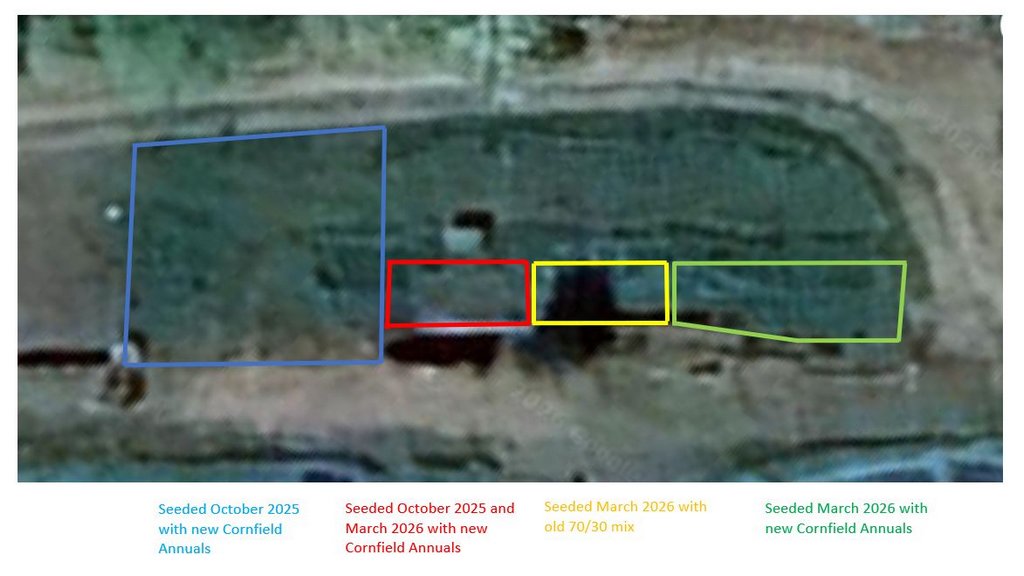
This work is not justified for the poor results. We made a chart showing when sections of the meadow were seeded so we could compare it with flowering results, but the only significant flowering was on the sloping bank which has well drained soil (with rubble underneath) which wildflowers prefer. Poor flowering means less seeds for the following year, so the problem gets worse, which confirmed our decision to leave it as a grass meadow and lawn. Teasel seeds have now been sown, and thistles should continue to grow in the meadow which look good and attract bees, butterflies and birds.
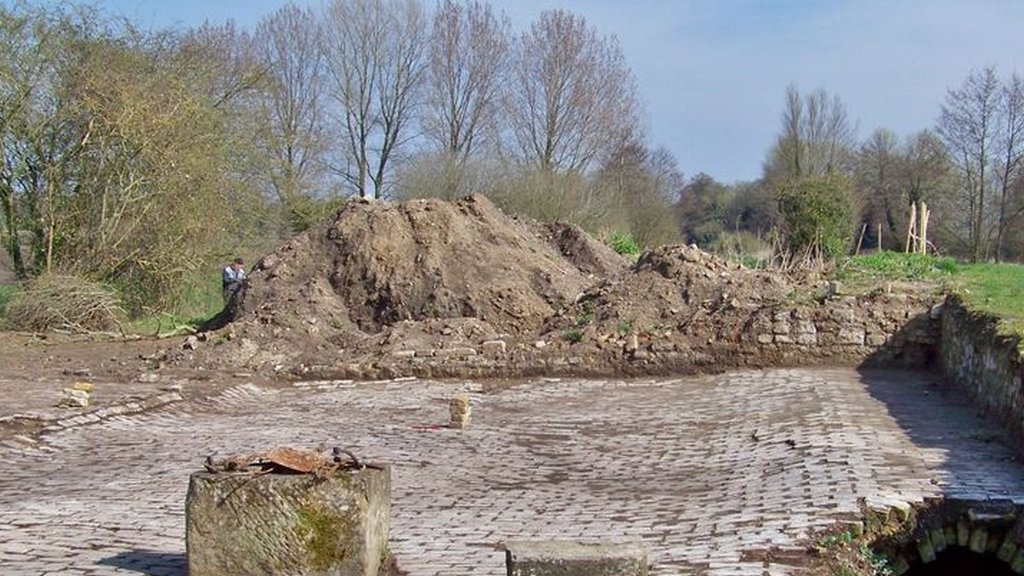
We ran out of cornfield annual seeds in 2025 and had to reseed with the original flower and grass mix in one area, which increased grasses in 2026 in one place. 2025 & 2026 were extremely hot and dry but we watered in 2026, although it made very little difference. The covered brick floor was part of the wildflower meadow, but poor drainage caused flowers to fail, so we changed it to a lawn in 2025.
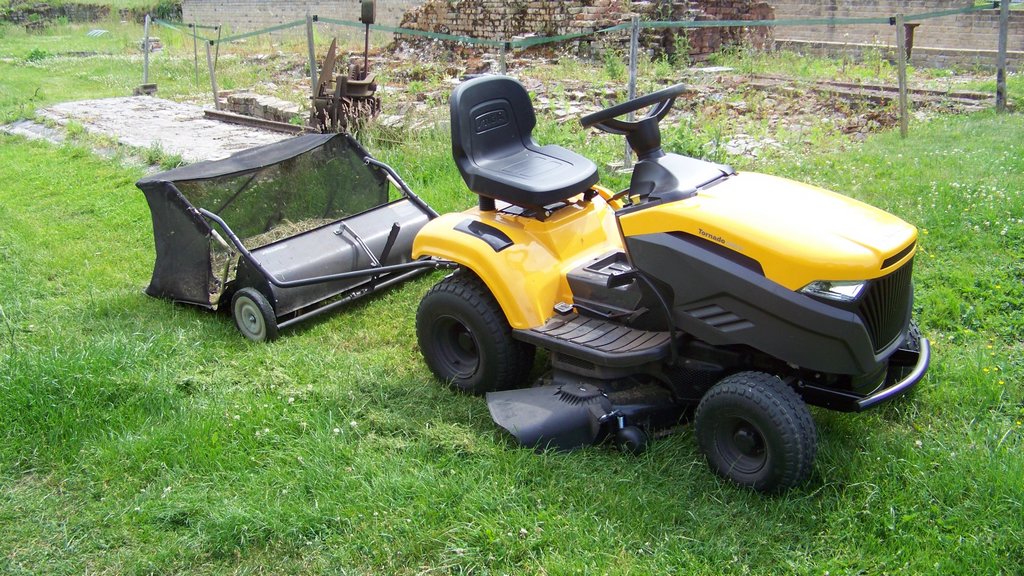
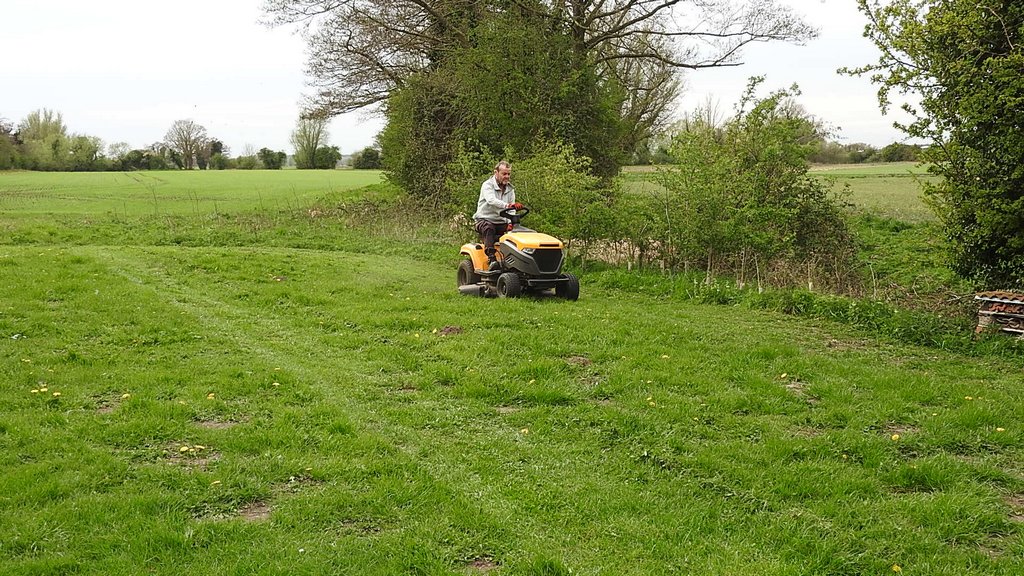
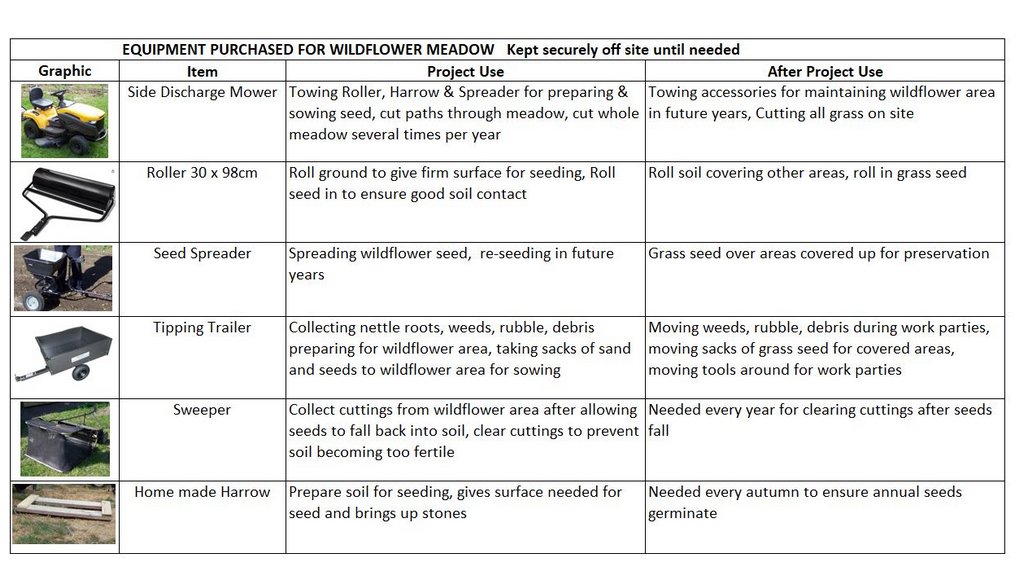
The wildflower meadow project was created so we could apply for a grant to buy a ride-on mower which we needed to cut our large areas of grass. The mower is still in regular use cutting all the grass on site, so we achieved our aim and there will be slightly more grass to cut with the new lawn. There are other benefits of the project:-
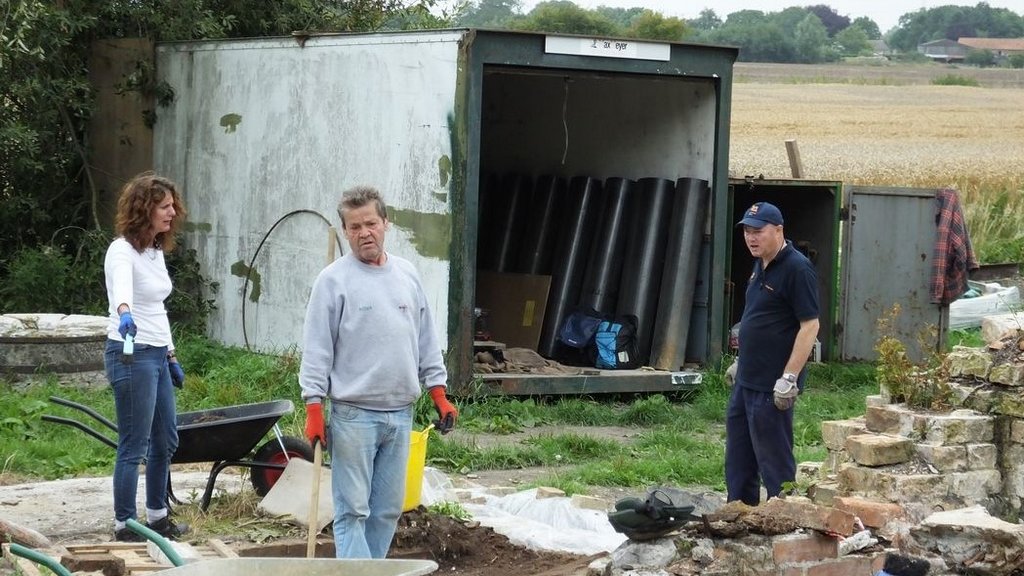
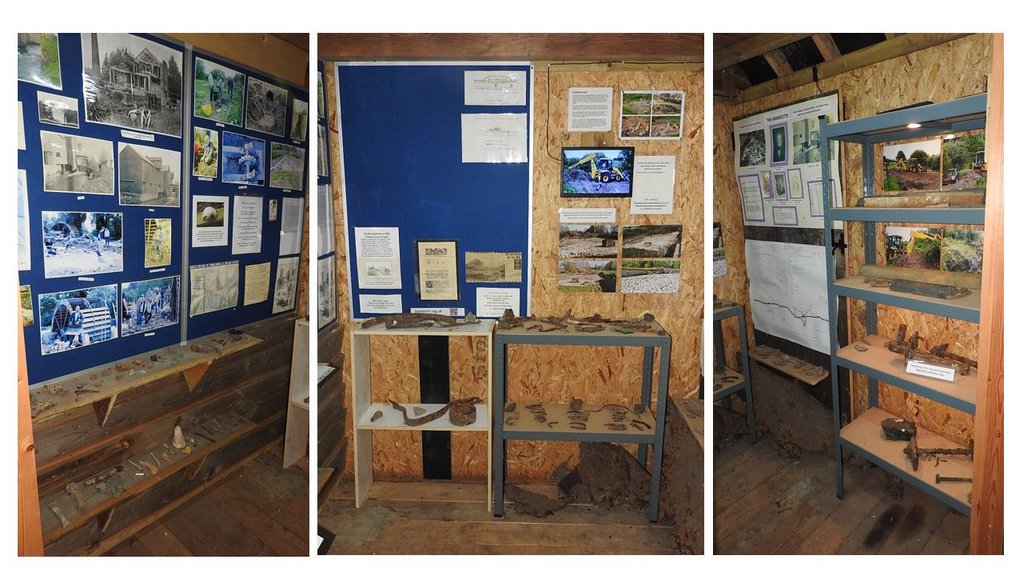
The new shed replaced a shipping container as part of the project to give better views of the site. The shed provides secure storage for tools & supplies, with a work bench and vice. The shed freed up storage space in the visitor centre allowing us to display more finds and exhibits including things found when making the meadow.
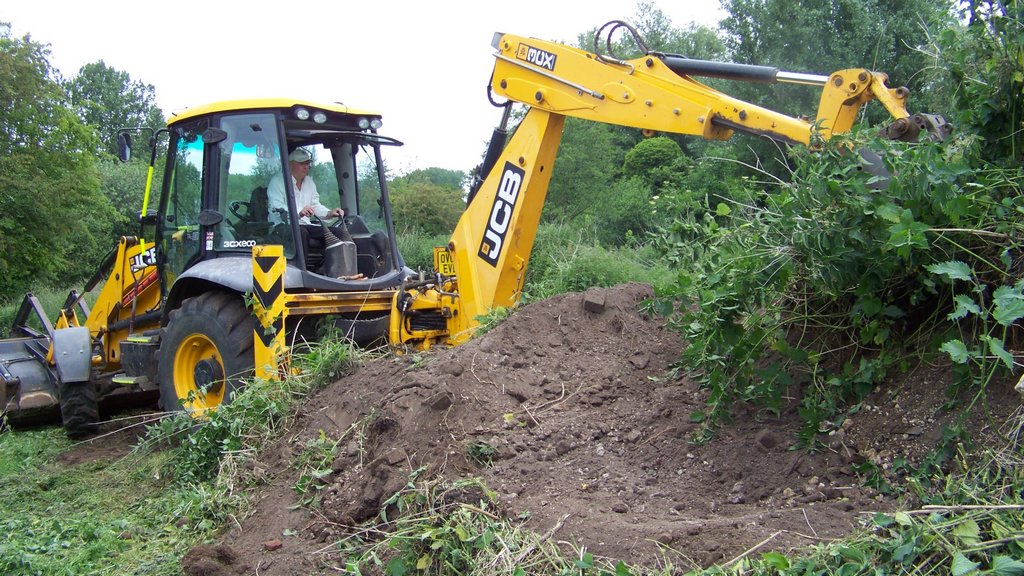
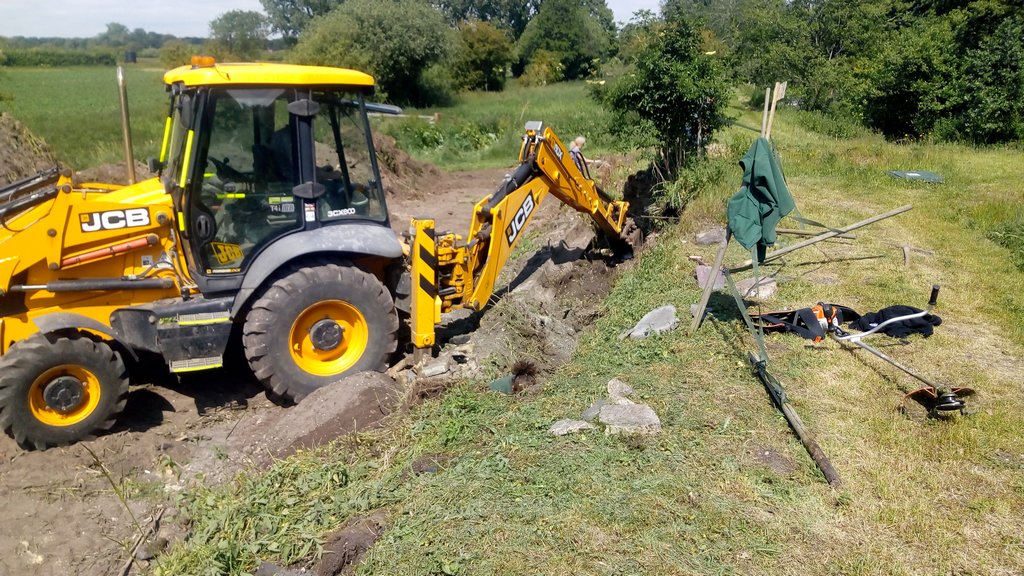
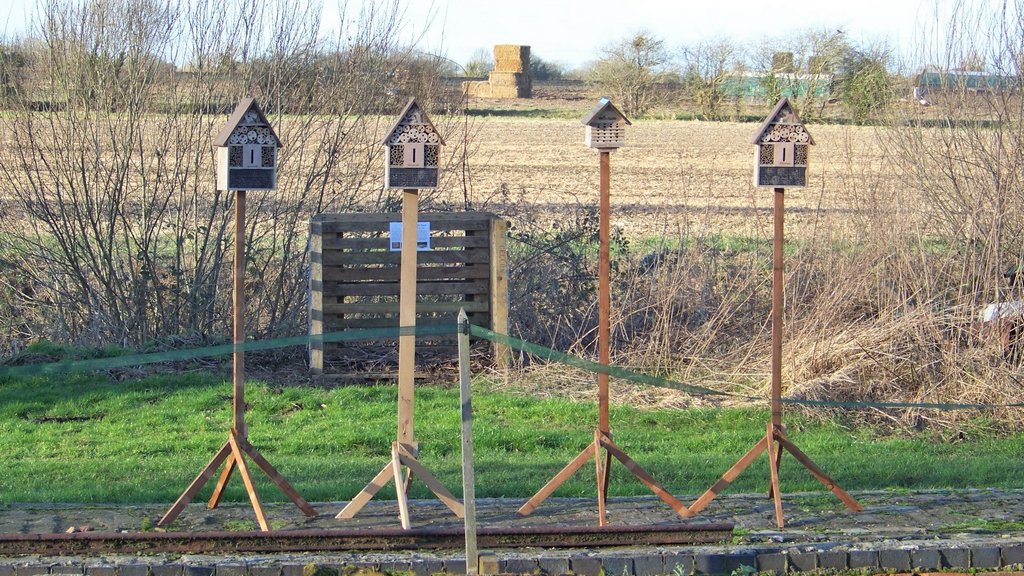
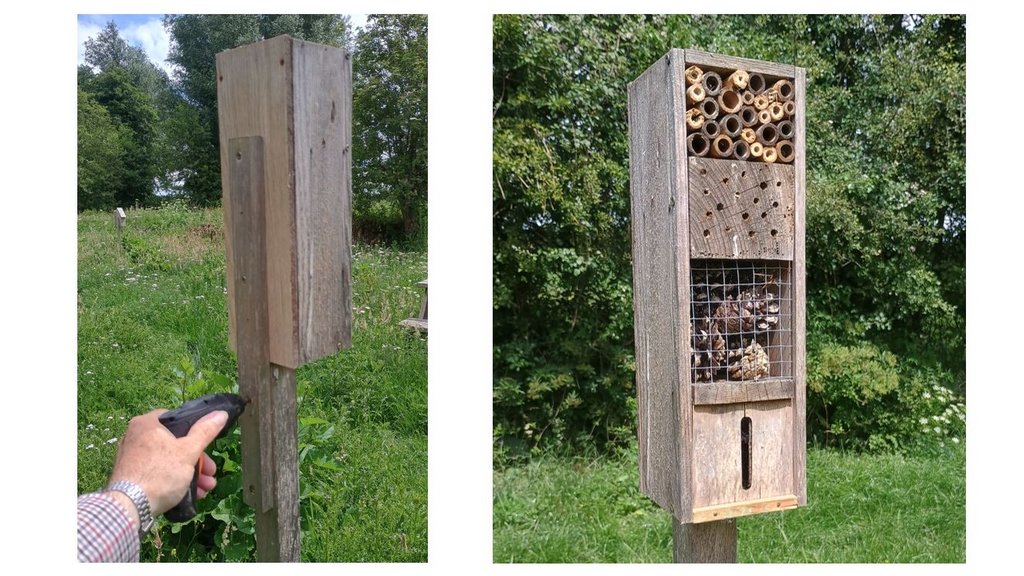
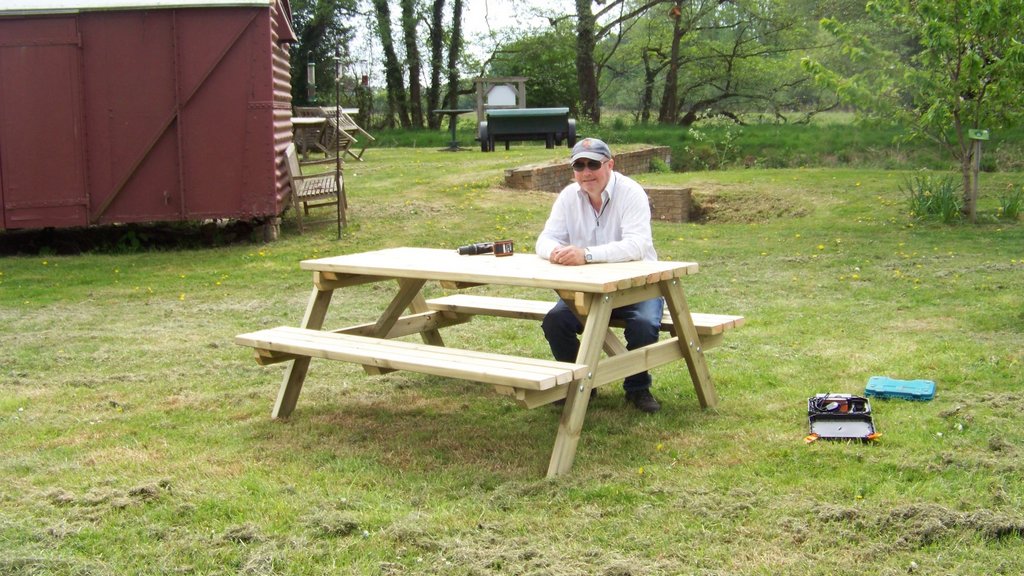
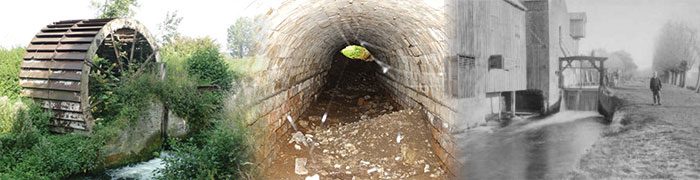
The area was originally full of weeds and soil heaps, so the landscaping has created an attractive space. The grant included preservation of adjacent areas, so we cleared the trench and tunnels of debris and covered a brick floor with soil to preserve it. The insect hotels we bought are still used by bees and other insects and we made our own from re-used materials. Our picnic bench will be used on the flat part of the new lawn.
The only maintenance a grass meadow needs is weeding and cutting paths, the lawn will just need mowing along with the rest of the grass on site. This is much less work than a wildflower meadow which involves cutting, clearing cuttings, harrowing, sowing and rolling which all need doing twice a year, flower seeds also need to be disturbed to encourage germination, as well as watering in dry spells.
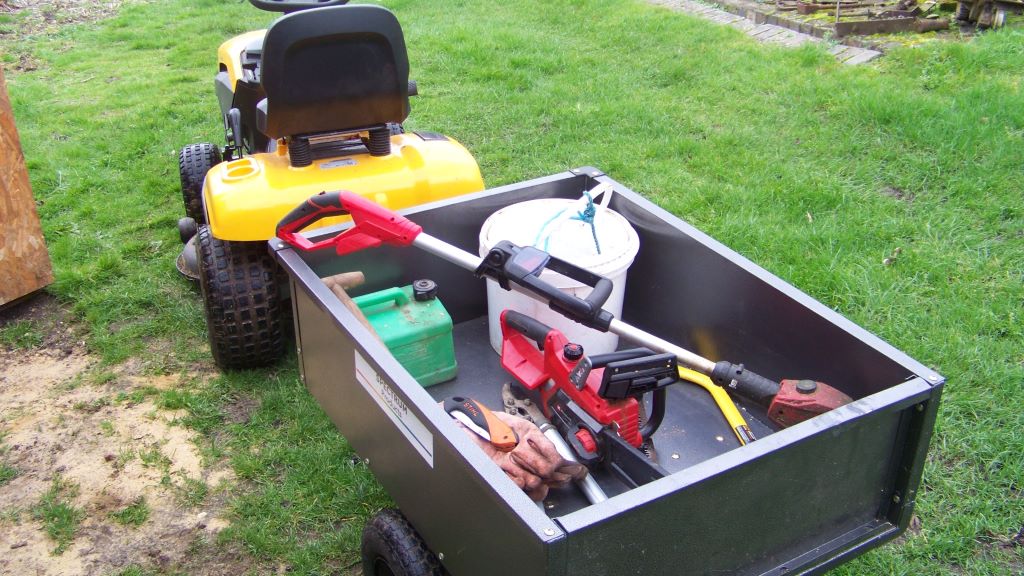
The towed accessories will not get as much use, but will be needed when covering areas of the site with soil and grass for preservation. The roller, harrow and spreader will be needed for this as well as the mower trailer for carrying sacks of grass seed and using the watering system on seeded areas. The trailer gets plenty of use at work parties and the collector is still needed to clear grass cuttings before open days.
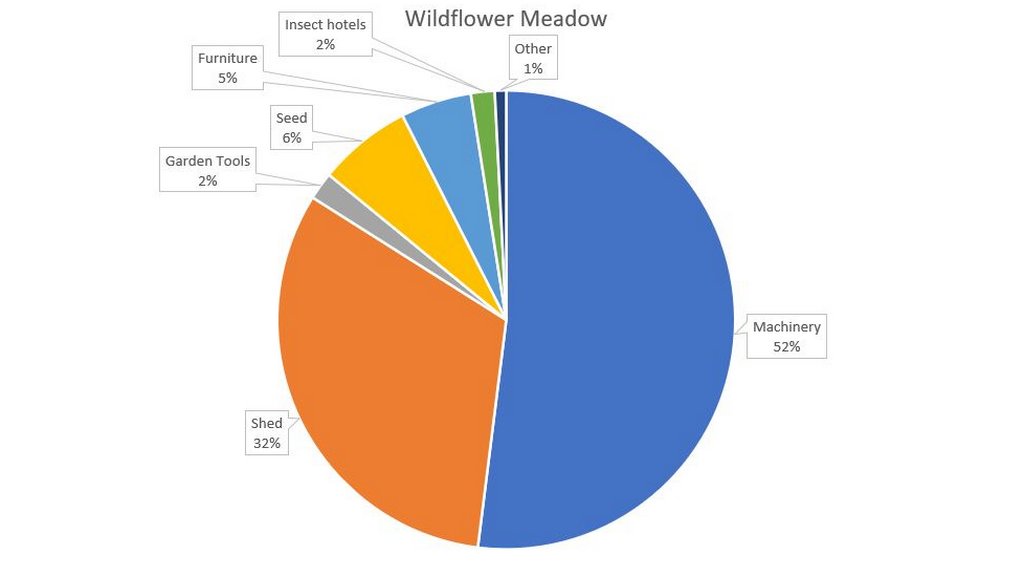
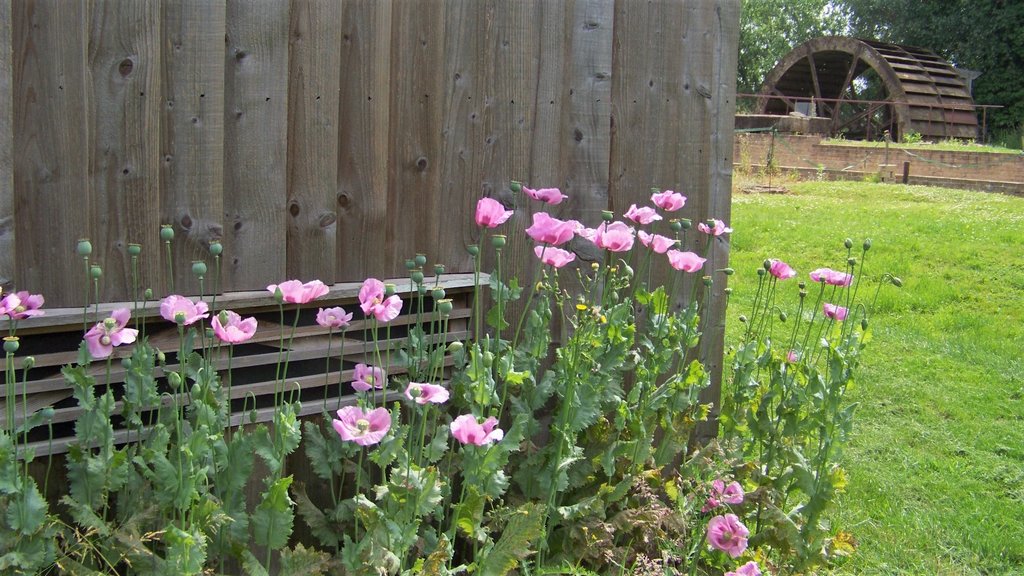
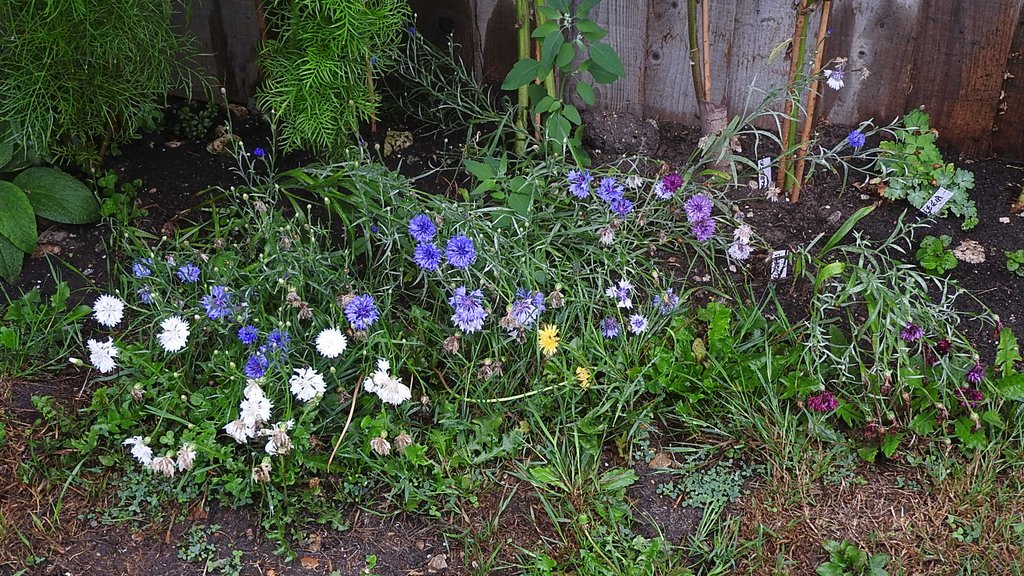
So although the whole meadow will no longer flower, we will still benefit from aspects of the grant, particularly our mower and shed which is what most of the grant (75%) was spent on. We will have a small wildflower patch on the sloping bank prepared and seeded with Yellow Rattle, Poppies, Marigolds and Cornflowers, all from seeds saved from flowers on site. If any wildflowers return to the meadow we will keep them.
Graham Bartlett
Project Co-ordinator
Wildflower Meadow Maintenance Grants Gallery Shed Green Grant